
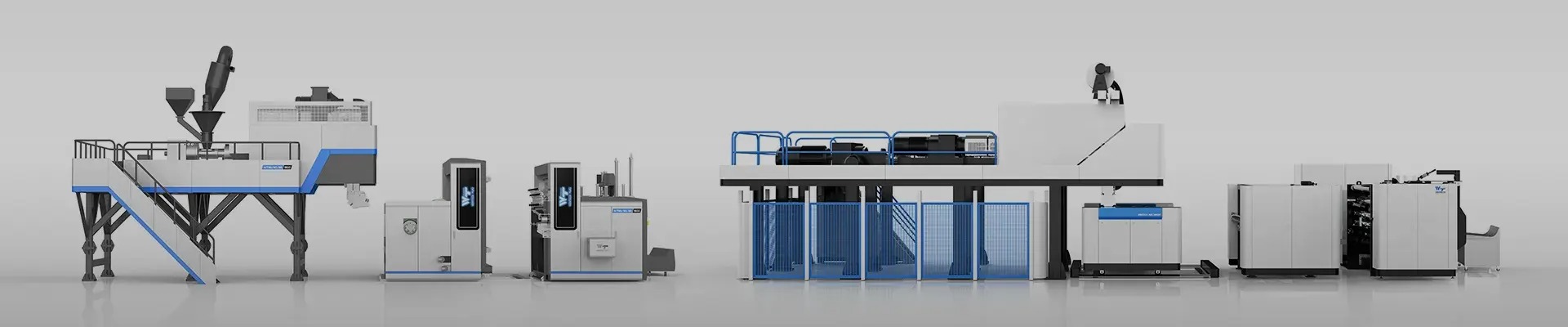
Stretch Film Making Machine Types Every Producer Should Explore
Selecting the right stretch film making machine for your production facility is one of the most consequential decisions you will make as a packaging manufacturer. The wrong choice can lead to frequent downtime, inconsistent film quality, and unhappy customers. The right one, however, sets you up for efficient, profitable, and scalable output from day one. Understanding the types available and what each brings to the table is the first step toward making a well-informed investment.
The Role of a Stretch Film Making Machine in Packaging
The packaging world depends heavily on stretch film. It holds pallets together, protects goods from dust and moisture, and makes products easier to transport without damage. A stretch film making machine is the core equipment behind all of that protection. It takes raw polyethylene resin and extrudes it into thin, highly elastic film that clings to itself without adhesive.
The machine accomplishes this through a combination of precise temperature control, screw design, die head engineering, and a carefully managed cooling and winding process. The main motor connects to the gearbox through a rubber coupling, which absorbs vibration and extends the life of both components. Alloy screws and sleeves treated through nitrogen processing deliver consistent melt quality, which directly translates into uniform film thickness and clarity.
Common Types of Stretch Film Making Machines
Semi-Automatic Production Lines
Semi-automatic models are a popular starting point for businesses entering the stretch film production space. These machines handle the extrusion and winding processes efficiently while requiring some manual input for roll changes and adjustments. They suit small to medium operations where the investment budget is modest but output quality still matters.
Full-Automatic Stretch Film Lines
A fully automatic stretch film making machine eliminates most manual steps in the production cycle. Roll changes happen automatically through multi-shaft turret systems, and the machine can run for extended periods with minimal operator involvement. This type suits high-volume facilities where labor efficiency and consistent output are the top priorities.
High-Speed Co-Extrusion Lines
High-speed co-extrusion lines represent the most advanced category. These machines produce multi-layer film at significantly higher output rates. Three-layer and five-layer co-extrusion lines deliver film with better mechanical properties, including greater puncture resistance and improved cling performance. Industries handling heavy or irregularly shaped loads especially benefit from these specifications.
Width Options and What They Mean for Your Output
Width selection plays a major role in production planning. Machines are commonly available in 1250mm, 1850mm, and 2400mm configurations. The wider the machine, the more film it can produce per extrusion pass. A 2400mm full-automatic line, for example, offers significantly higher throughput than a 1250mm semi-automatic model.
Moreover, wider machines open up more product variety. You can produce different roll widths from a single wide machine by adjusting the slitting setup during rewinding. This flexibility is a genuine commercial advantage, especially when serving customers who need multiple roll size options from a single supplier.
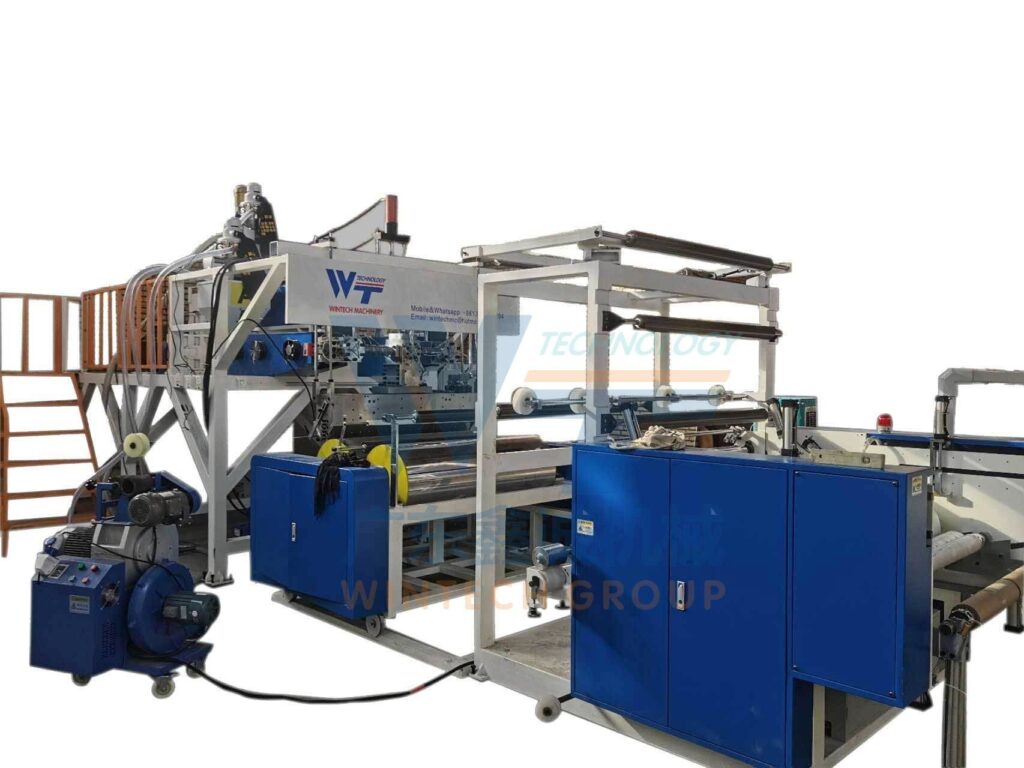
The Importance of the Hydraulic Screen Changer
One often overlooked feature of a good stretch film machine is the automatic hydraulic screen changer. When the filter screen needs replacement due to contamination or buildup, the hydraulic system switches screens automatically without stopping the extruder. This keeps production continuous and reduces scrap caused by startup and shutdown cycles.
Energy Efficiency in Modern Machines
Modern stretch film making machines are engineered to be more energy-efficient than previous generations. The motor, heating zones, and cooling systems all contribute to the overall energy consumption profile of the machine. Choosing energy-efficient equipment reduces your electricity costs meaningfully over a long production run.
After-Sales Support and Spare Parts
After-sales support matters more than many buyers realize before purchase. When a machine component wears out, the speed at which you can source a replacement directly affects your production continuity. Choosing a manufacturer with a solid track record in after-sales service and spare parts availability is therefore a smart long-term decision.
What to Prioritize When Buying
- Clarify your output targets in kilograms per hour and match them to the right machine capacity.
- Decide whether you need standard single-layer film or multi-layer co-extruded film for your target market.
- Evaluate the automation level based on your available labor and your budget.
- Consider the machine width relative to your product mix.
- Ask about energy consumption figures and compare them across shortlisted options.
Conclusion
A stretch film making machine is not a minor purchase. It is a production asset that will shape your business output for many years. Therefore, taking the time to understand the technical distinctions between machine types, width options, automation levels, and supporting features will help you make a decision you feel confident about long after the machine is installed and running.