

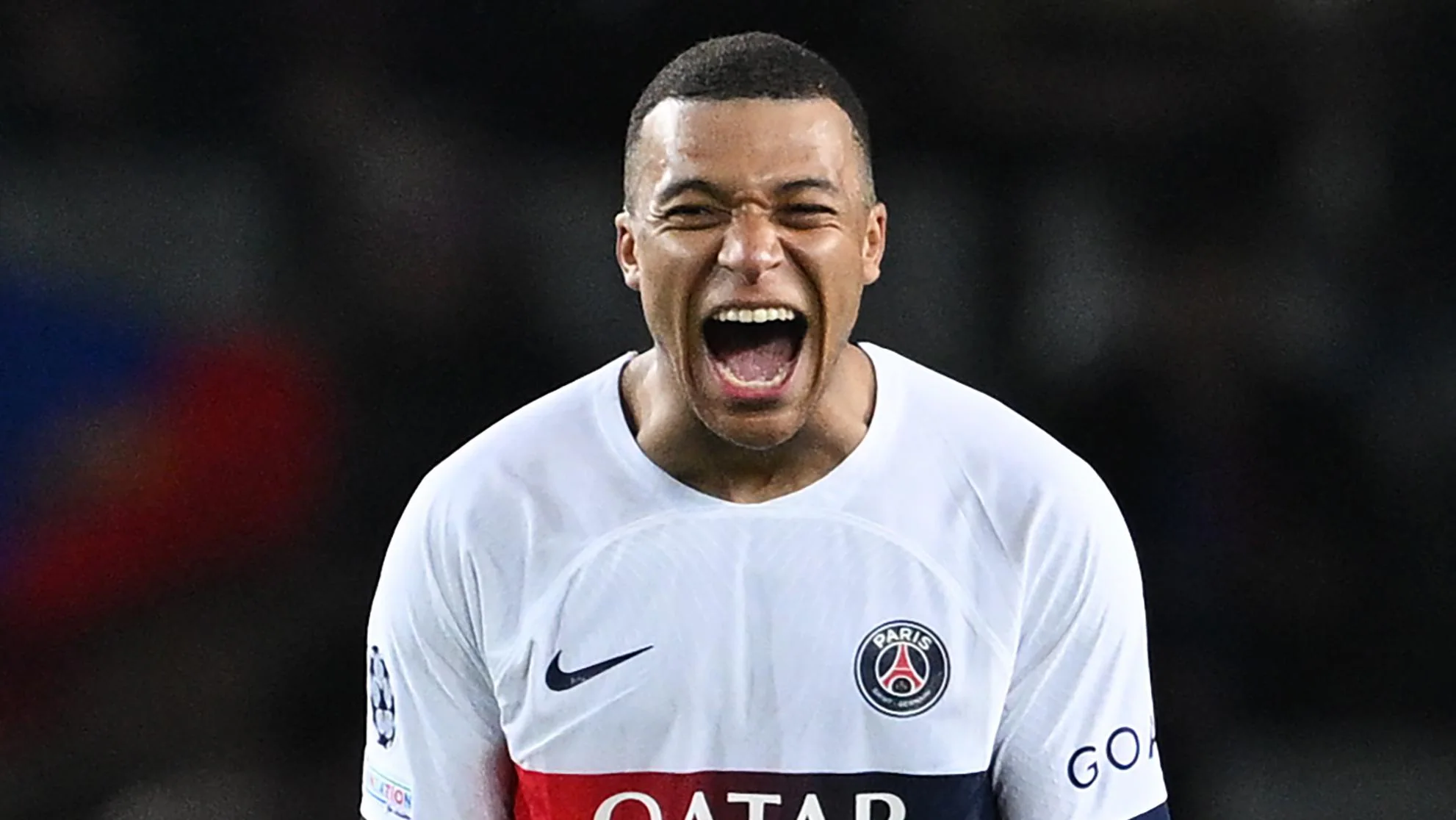
Some goals are celebrated for a night. Others get stamped into the record books and quoted for decades. When Kylian Mbappe scored his 100th goal for Real Madrid in a match-winning performance against Barcelona, it landed firmly in the second group. The setting made it sweeter. El Clasico is football’s biggest stage, and a milestone on that stage carries a weight that no routine league fixture can match. For anyone trying to understand why this moment matters, Kylian Mbappe stats offer a useful starting point, but the numbers are only half the story. This article looks at what the achievement says about modern superstar management, how clubs can learn from it, and where the business of football heads next.
What the 100-Goal Milestone Really Tells Us
A century of goals sounds like a clean, round number, and that is exactly why it travels so well. Fans remember it. Broadcasters build graphics around it. Sponsors suddenly find a reason to send a congratulatory post. But the real value of the milestone sits underneath the headline.
Mbappe arrived in Madrid as one of the most expensive talents in the sport, without the transfer fee, and with expectations that would crush most players. Reaching 100 goals for the club, and doing it with a decisive display against the old rival, is a response to every doubt raised along the way. If you want the full breakdown of the milestone, the detailed Kylian Mbappe stats are available for anyone who wants the match context in one place.
What stands out is the timing. Plenty of forwards reach big totals in quiet games against weaker teams. Doing it when the whole football world is watching changes the story from “productive striker” to “player who owns big moments.” That distinction is what separates a good signing from a franchise cornerstone.
Reading Kylian Mbappe Stats Like a Front Office Analyst
Analysts rarely stop at the raw goal count. Think of it the way a finance journalist reads a quarterly report. Revenue is nice, but margins, consistency, and growth tell you whether the business is healthy.
Apply that thinking to a striker. How often does he score per ninety minutes? How many of those goals come from open play compared with penalties? How does his output change against top opposition? Does he create chances for teammates, or does the team simply wait for him to finish moves? Each question reveals something a headline total cannot.
A smart analyst also looks at the context around the numbers. A striker who scores while forcing defenders to drop deeper is helping the whole attack, even on days when he does not touch the scoresheet. Speed is the clearest example. Mbappe’s pace stretches opposing back lines, which opens pockets of space for midfielders and fellow forwards. That kind of influence never shows up in a simple tally, yet it shapes results week after week.
If you follow football as a fan, a blogger, or a bettor, the lesson is simple. Look past the total. Ask how the goals arrived, against whom, and in what situations.
Lessons Clubs and Brands Can Take From This Moment
Madrid has long understood that a superstar is both a player and a platform. The 100-goal milestone shows how that plays out in practice.
First, patience pays. Big signings often need time to settle into a new system, a new language, and a new dressing room. Clubs that rush to judgment tend to lose the very players who would have flourished given a full season.
Second, tell the story as it unfolds. Milestones give communications teams natural content hooks. A countdown to 100, a highlight reel after the landmark goal, a look back at the first strike in a white shirt. Each piece keeps supporters engaged between matches.
Third, protect the player’s focus. The best commercial partnerships respect the athlete’s primary job. When a star feels backed rather than burdened, performance tends to follow.
Smaller organizations can borrow the same playbook. Whether you run a local team or a growing startup, recognizing achievements publicly and giving talent room to settle builds loyalty that money alone cannot buy.
What Comes Next for Madrid and the Business of Football
Looking ahead, the 100th goal feels less like a finish line and more like a checkpoint. Strikers at this level are usually measured against historic names, and Mbappe will now face those comparisons whether he wants them or not. Expect more attention on how quickly he climbs the club’s all-time scoring charts.
From a business angle, the milestone reinforces a wider trend. Global football is increasingly built around individual stars whose reach extends far beyond match day. Social media, streaming highlights, and international tours all feed on moments like this one. Clubs that can turn a single goal into months of engaged conversation will keep gaining ground.
For fans, the practical advice is easy. Enjoy the run while it lasts. Players at the peak of their powers do not come around often, and nights like this one are the reason people fall in love with the sport.
Conclusion
Mbappe’s 100th goal for Real Madrid, scored in a win over Barcelona, is more than a tidy number. It is proof of durability, composure, and big match temperament. Studying Kylian Mbappe stats with a thoughtful eye shows how much value sits beneath the headline, from pace and movement to timing and decision making. Clubs, brands, and fans can all take something from the story. Be patient with talent, tell the story well, and measure success with more than one number.
FAQ
- When did Mbappe score his 100th goal for Real Madrid? He reached the milestone during a match-winning performance against Barcelona in El Clasico.
- Why is a 100th club goal considered such a big deal? It marks sustained production at the highest level and places a player among the elite scorers in a club’s long history.
- Do goals alone show how good a striker is? No. Chance creation, movement, work rate, and performance in big games all add important context.
- What can businesses learn from this milestone? Give talented people time to settle, recognize achievements publicly, and tell the story behind the results.






Leave a Reply