
What Are Advanced ROV Inspection Solutions for Underwater Pipelines?
Modern underwater infrastructure requires highly accurate inspection methods to ensure safety, operational efficiency, and long-term durability. Advanced ROV inspection and underwater robotics solutions for pipelines and infrastructure have transformed the way municipalities, industrial facilities, utilities, and offshore operators manage submerged assets. From detecting structural weaknesses to collecting real-time data in hazardous environments, remotely operated vehicles (ROVs) are now essential tools in subsea inspection and maintenance programs.
Understanding Advanced ROV Inspection Technology
ROVs, or remotely operated vehicles, are underwater robotic systems designed to perform inspections, surveys, and intervention tasks beneath the water’s surface. These vehicles are controlled by trained operators from a safe location and equipped with high-definition cameras, sonar imaging systems, sensors, AI-assisted analytics, and robotic manipulators.
Unlike traditional manual inspections performed solely by divers, Advanced ROV inspection and underwater robotics solutions for pipelines and infrastructure allow inspections to be completed more efficiently and safely in deep, confined, or hazardous underwater environments. ROV systems can operate continuously for extended periods while delivering accurate visual and structural data in real time.
Modern ROV platforms are frequently used to inspect underwater pipelines, intake structures, dams, reservoirs, bridge foundations, wastewater systems, marine construction sites, and offshore energy infrastructure.
Why Underwater Pipeline Inspections Are Important
Underwater pipelines are critical components of oil and gas transportation, water distribution, wastewater management, and industrial operations. Over time, these systems may experience corrosion, sediment buildup, cracks, leaks, or external damage caused by environmental conditions and marine activity.
Routine inspections help operators identify problems before they become expensive failures. By using Advanced ROV inspection and underwater robotics solutions for pipelines and infrastructure, organizations can maintain compliance with environmental and safety regulations while reducing downtime and repair costs.
ROV inspections also help improve asset management by generating detailed condition assessments and digital records for future maintenance planning.
Key Features of Advanced ROV Inspection Solutions
High-Definition Visual Inspections
Modern ROVs are equipped with ultra-HD cameras capable of capturing detailed underwater footage even in low-visibility environments. Operators can closely examine pipeline joints, welds, coatings, and structural components in real time.
This level of visual accuracy allows engineers and inspectors to identify corrosion, biological growth, cracks, and material degradation before these issues escalate into larger operational risks.
Sonar and Acoustic Imaging
In murky or dark underwater environments where visibility is limited, sonar technology becomes essential. Advanced sonar systems create detailed acoustic images of underwater infrastructure, helping operators map pipelines and detect anomalies hidden beneath sediment or debris.
These technologies are particularly valuable for inspecting reservoirs, lakes, and industrial water systems where traditional visibility conditions may be poor.
AI-Powered Data Collection
AI-enhanced inspection systems can process large volumes of subsea data quickly and accurately. By integrating artificial intelligence with Advanced ROV inspection and underwater robotics solutions for pipelines and infrastructure, operators can automate defect recognition, improve reporting accuracy, and identify trends in structural deterioration over time.
AI-assisted analytics also help reduce human error while improving decision-making during critical inspection projects.
Precision Navigation and Positioning
Modern underwater robotics systems use GPS-linked surface controls, inertial navigation systems, and positioning sensors to maintain precise movements around underwater assets. This ensures accurate inspection coverage and reliable mapping of subsea structures.
Precise navigation is especially important for long-distance underwater pipelines and large municipal infrastructure networks.
Benefits of Using ROVs for Underwater Infrastructure Inspections
Enhanced Safety
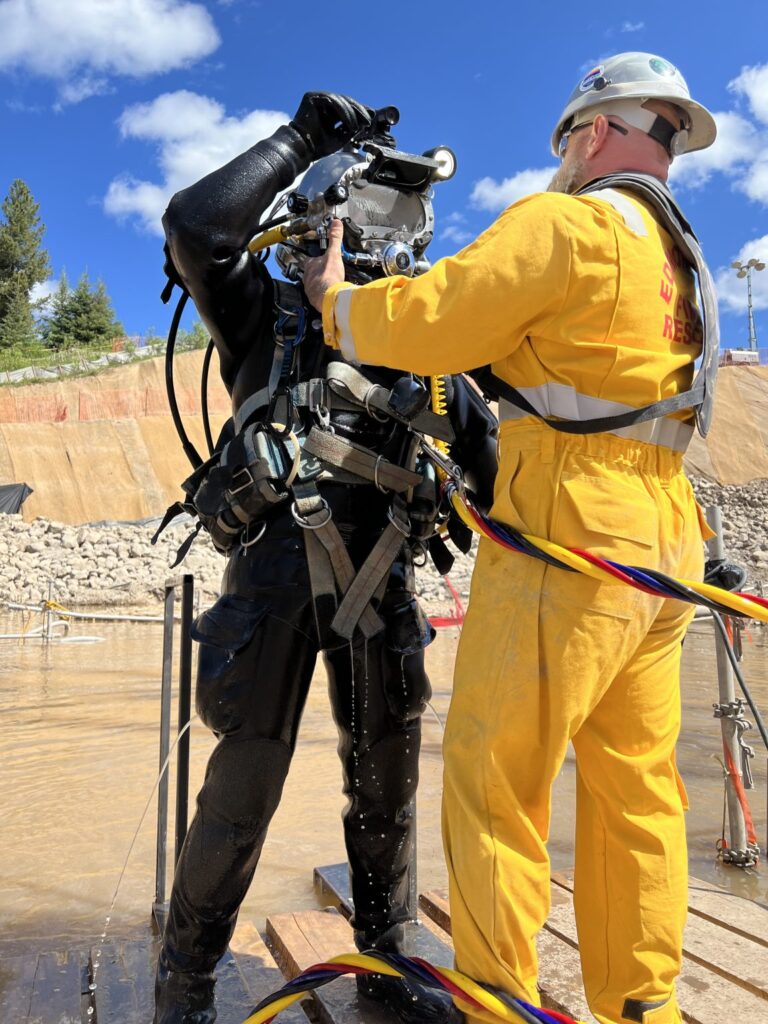
One of the most significant advantages of ROV technology is reduced risk to human divers. Hazardous underwater conditions such as strong currents, contaminated water, confined spaces, and deep-water operations can pose serious dangers during manual inspections.
ROVs minimize human exposure while still providing detailed inspection capabilities.
Reduced Operational Downtime
Traditional inspection methods often require system shutdowns or lengthy operational interruptions. Advanced ROV inspection and underwater robotics solutions for pipelines and infrastructure streamline inspection processes and allow many assessments to occur with minimal disruption to ongoing operations.
This helps organizations maintain productivity while ensuring infrastructure reliability.
Cost-Effective Maintenance
Early detection of structural issues significantly reduces repair costs. ROV inspections identify small problems before they evolve into major failures requiring emergency repairs or full system replacements.
Detailed inspection reports also support predictive maintenance strategies, helping organizations allocate resources more efficiently.
Access to Challenging Environments
ROVs can safely access areas that may be difficult or impossible for divers to reach. This includes deep reservoirs, submerged tunnels, offshore platforms, confined intake systems, and hazardous industrial environments.
Their flexibility makes underwater robotics ideal for complex infrastructure projects.
Applications Across Multiple Industries
The demand for Advanced ROV inspection and underwater robotics solutions for pipelines and infrastructure continues to grow across multiple sectors. Municipalities use ROVs to inspect drinking water reservoirs, wastewater systems, and bridge foundations. Utility companies rely on robotic inspections for hydroelectric infrastructure and submerged power systems.
In the oil and gas industry, ROVs are widely used for offshore pipeline inspections, leak detection, seabed mapping, and structural integrity assessments. Industrial facilities also benefit from robotic inspections in cooling systems, intake structures, and storage reservoirs.
Marine construction companies frequently integrate ROV technology into underwater construction planning, environmental assessments, and post-construction inspections.
The Future of Underwater Robotics
As technology continues to evolve, underwater robotics are becoming more intelligent, efficient, and versatile. Future innovations may include autonomous underwater vehicles (AUVs), enhanced machine learning capabilities, cloud-based inspection reporting, and real-time digital twin integration for infrastructure monitoring.
These advancements will further improve the accuracy and efficiency of underwater inspections while supporting sustainable infrastructure management practices.
Conclusion
The growing complexity of submerged infrastructure demands reliable and innovative inspection methods. Advanced ROV inspection and underwater robotics solutions for pipelines and infrastructure provide safer, faster, and more accurate ways to assess underwater assets while reducing operational risks and maintenance costs.