
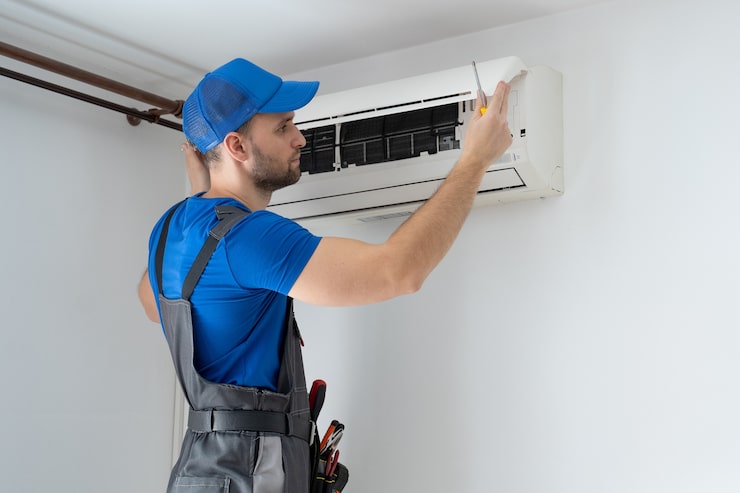
What Factors Affect The Cost Of Mini Split Installation?
When planning a mini split installation, one of the first questions homeowners ask is about cost. Unlike traditional HVAC systems, mini split systems offer flexibility, energy efficiency, and targeted cooling or heating. However, the price can vary widely depending on several important factors. Understanding these elements helps you budget better and avoid unexpected expenses.
From the size of your space to the complexity of installation, each component plays a role in the final cost. In this guide, we break down everything you need to know in a clear and practical way, with real examples and expert insights to help you make an informed decision.
Key Factors That Influence Mini Split Installation Cost
Size And CapacityOfThe System: The size of the unit you choose directly impacts the cost. Mini split systems are measured in BTUs, and selecting the right capacity depends on room size, insulation, and climate.
For example, a small bedroom may only require a 9,000 BTU unit, while a large living area might need 24,000 BTUs or more. A higher capacity system will naturally cost more, both in equipment and installation.
Pro Tip: Always consult a professional for load calculation instead of guessing. An oversized or undersized system can lead to inefficiency and higher energy bills.
Number Of Indoor Units: A single-zone system with one indoor unit is more affordable than a multi-zone system that connects multiple rooms.
For instance, installing a mini split in just one room may cost significantly less compared to installing units in three or four rooms. Each additional indoor unit increases labor, materials, and time required.
- A single-zone setup is ideal for small homes or individual rooms
- Multi-zone systems are better for whole-home solutions but cost more upfront
Installation Complexity: The difficulty of the installation process is a major cost factor. Simple installations with easy access to walls and electrical connections are more affordable. However, if your home requires additional work like drilling through thick walls, running long refrigerant lines, or upgrading electrical panels, the cost will increase.
Example: Installing a unit in a ground-floor room with direct outdoor access is much cheaper than installing one on the second floor with hidden wiring.
Mini Split Installation Cost Breakdown
Labor Charges: Labor costs vary depending on your location and the experience of the technician. Skilled professionals may charge more, but they ensure proper installation and long-term performance. In most cases, labor can account for a significant portion of the total mini split installation cost. Choosing a cheap installer might save money initially but can lead to costly repairs later.
Brand And System Quality: Not all mini split systems are created equal. Premium brands offer advanced features like smart controls, better energy efficiency, and longer warranties. While these systems cost more upfront, they often provide better value over time through lower energy consumption and fewer maintenance issues.
Example: A basic system may cost less initially, but a high-efficiency model can reduce your monthly electricity bill significantly.
Additional MaterialsAndAccessories: Beyond the main unit, there are several additional components that can affect pricing. These include mounting brackets, line sets, insulation, and electrical wiring. Sometimes, homeowners overlook these costs, but they can add up quickly depending on the setup.
Hidden Costs To Watch Out For In Mini Split Installation
Electrical Upgrades: Older homes may require electrical upgrades to support a mini split system. This can include adding a new circuit breaker or upgrading the panel. These upgrades are essential for safety and performance but can increase the overall installation cost.
Permits And Local Regulations: In some areas, permits are required for HVAC installations. These permits come with fees and may involve inspections. Ignoring this step can lead to penalties or complications during property resale.
Maintenance And Warranty Considerations: While not part of the initial installation cost, maintenance plays a role in long-term expenses. Systems with extended warranties or service plans may cost more initially but save money over time.
Pro Tip: Choose a system with a solid warranty and schedule regular maintenance to extend its lifespan.
Why Mini Split Installation Costs Vary So Much
Understanding Mini Split Installation Pricing Differences
The wide range in pricing often confuses homeowners. The truth is, no two installations are the same. Factors like home layout, climate conditions, and user preferences all contribute to the final cost. For example, a compact apartment with easy access may have a straightforward installation, while a large house with multiple zones requires more planning and resources. This is why getting a personalized quote is always the best approach.
Conclusion
The cost of mini split installation depends on multiple factors, including system size, number of units, installation complexity, and additional requirements like electrical upgrades or permits. While it may seem expensive upfront, the long-term benefits of energy efficiency, comfort, and flexibility make it a worthwhile investment.
By understanding these cost factors and planning ahead, you can choose the right system that fits both your needs and your budget. Always work with experienced professionals and focus on quality rather than just price. This ensures your system performs efficiently for years to come.