
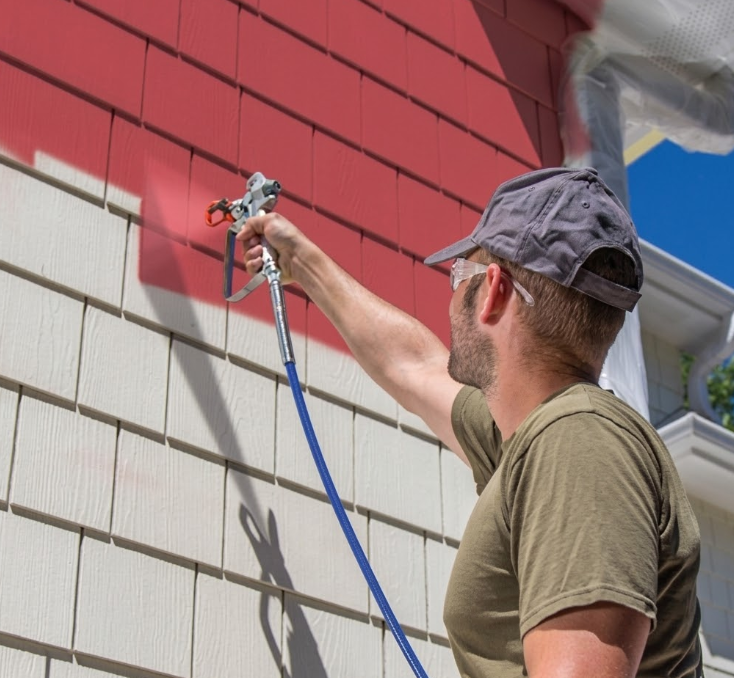
Painting Plastic Shutters for a Fresh New Look
Curb appeal plays a major role in how a home is perceived, and even the smallest exterior details can make a noticeable difference. Among these details, shutters are often overlooked until they begin to fade, lose color, or appear worn out. This is where the idea of painting plastic shutters becomes appealing to homeowners looking for a quick and affordable refresh.
Plastic or vinyl shutters have grown in popularity over the years due to their durability, affordability, and ability to mimic the appearance of traditional wood. While they are built to last structurally for decades, their appearance can deteriorate over time due to sun exposure, oxidation, and weather conditions. When this happens, many homeowners consider painting as a solution.
However, while painting plastic shutters may seem like a simple upgrade, there are important factors to consider before diving into the process. Understanding both the benefits and the limitations can help you make a smarter, longer-lasting decision for your home.
Understanding Plastic and Vinyl Shutters
Modern shutters are typically made from vinyl or other types of plastic materials designed to withstand harsh outdoor environments. Unlike wood, they do not rot, warp, or attract pests. This makes them an excellent long-term investment from a structural standpoint.
However, despite their durability, these shutters are not immune to cosmetic wear. Over time, exposure to UV rays causes fading, while oxidation leads to a chalky, dull surface. This is why many homeowners mistakenly assume the shutters need to be replaced entirely, even though they are still structurally sound.
In reality, most plastic shutters that are discarded are perfectly functional. The issue is purely aesthetic, not structural.
Why Homeowners Consider Painting Plastic Shutters
When shutters start to look aged or faded, painting plastic shutters often appears to be the quickest fix. It allows homeowners to:
- Update the color of their exterior
- Restore visual appeal
- Avoid the cost of replacing shutters
- Match new siding or trim
Using vinyl shutter paint can also seem like a straightforward DIY project, making it attractive for those looking to improve their home without hiring professionals.
But while the idea is appealing, the execution and long-term results can be more complicated than expected.
The Process of Painting Plastic Shutters
Painting plastic shutters involves more than simply applying a coat of paint. Proper preparation is essential for achieving a decent finish.
First, shutters need to be thoroughly cleaned to remove dirt, oxidation, and any residue. This often involves scrubbing with specialized cleaners to ensure the surface is ready to accept paint.
Next, sanding may be required to create a slightly rough surface that helps the paint adhere better. After that, a primer specifically designed for plastic surfaces is typically applied.
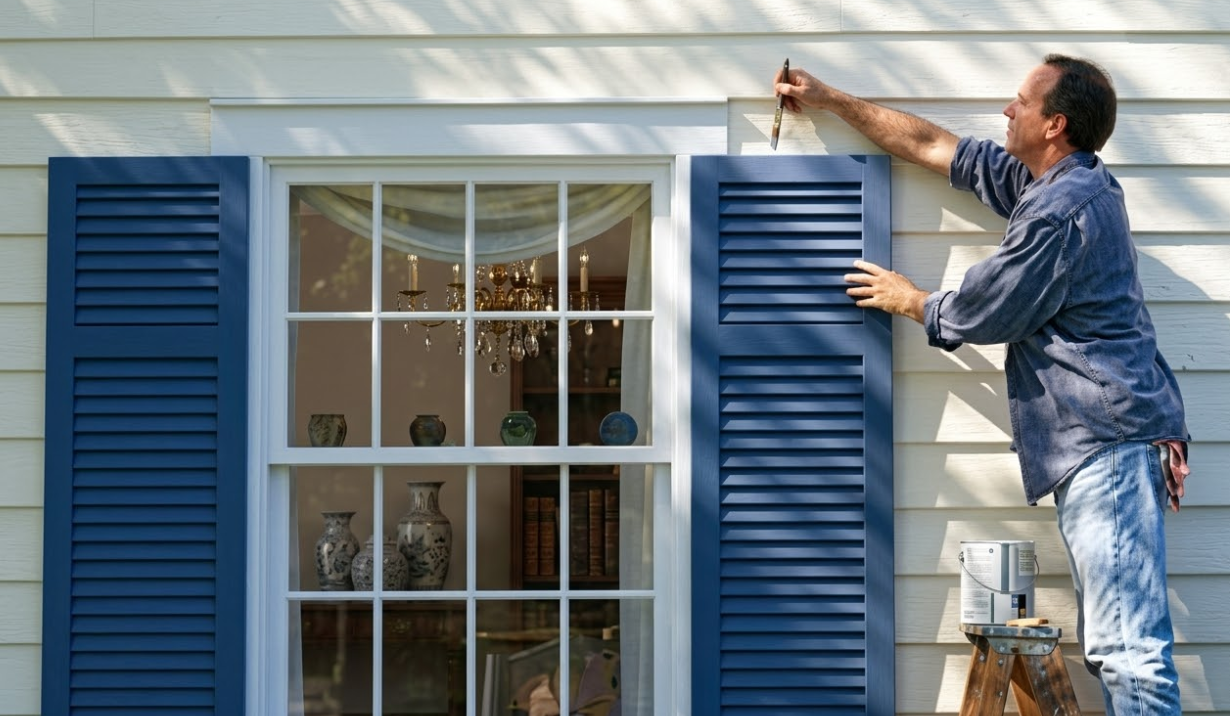
Once the primer is dry, the paint can be applied using brushes, rollers, or spray equipment. Many homeowners choose vinyl shutter paint designed for exterior plastics to improve adhesion and durability.
Finally, sealing or additional coats may be needed to achieve a uniform finish.
While this process sounds manageable, it is time-consuming and requires careful attention to detail.
The Hidden Challenges of Painting Plastic Shutters
Although painting plastic shutters can temporarily improve their appearance, it comes with several challenges that homeowners often underestimate.
One of the biggest concerns is choosing the right type of paint. Some paints contain heat-absorbing pigments, which can cause the shutters to warp or become permanently damaged when exposed to sunlight. This makes product selection critical.
Another issue is durability. Paint applied to plastic surfaces does not always bond as effectively as it does with wood. Even when applied correctly, it can peel, chip, or crack over time. This is especially true in areas with extreme weather conditions.
Fading is also a recurring problem. Just like the original color faded due to UV exposure, painted surfaces are also susceptible to fading. This means the refreshed look may only last a few years before requiring another repaint.
Additionally, the preparation process itself can be tedious. Taping, priming, and cleanup take time and effort. Many professionals even recommend removing the shutters entirely before painting to avoid accidental damage to surrounding surfaces like siding or stucco.
Cost Considerations
At first glance, painting plastic shutters appears to be a cost-effective solution. However, when you factor in materials, tools, time, and potential professional labor, the expenses can add up.
Hiring a professional painter is often recommended to ensure proper application, especially when dealing with exterior surfaces. This increases the overall cost significantly.
Moreover, because paint tends to fade and peel over time, the process may need to be repeated multiple times within a decade. This makes painting a recurring expense rather than a one-time solution.
A Better Alternative to Painting
While painting plastic shutters is one option, it is not always the most effective or long-lasting one. Restoration products, such as specialized shutter renewal solutions, offer an alternative approach.
Instead of covering the surface with paint, restoration products provide a smarter solution. Professional services like Seal It Green specialize in restoring plastic and vinyl shutters by bringing back their original color and finish. Unlike paint, these restoration methods penetrate the material, ensuring long-lasting results without peeling or chipping. This approach is faster, more effective, and reduces the need for repeated maintenance over time. Why Restoration Often Outperforms Painting
When comparing restoration to painting plastic shutters, several advantages become clear.
Restoration preserves the original material and finish rather than covering it up. This results in a more natural and uniform look.
It also reduces the risk of peeling or chipping, which is common with painted surfaces. Since the product is designed specifically for plastic, it bonds more effectively and lasts longer.
Another key benefit is efficiency. Restoration typically requires less preparation and can be completed more quickly than painting.
From a financial perspective, it is often the most economical option over time. Instead of repainting every few years, homeowners can enjoy long-lasting results with minimal maintenance.
Common Mistakes to Avoid
Many homeowners make the mistake of rushing into painting without fully understanding the implications. Using the wrong type of vinyl shutter paint, skipping proper preparation, or applying paint in unsuitable weather conditions can all lead to poor results.
Another common mistake is assuming that painting is a permanent fix. In reality, it is often a temporary solution that requires ongoing maintenance.
Additionally, experimenting with unconventional methods, such as applying oils or non-specialized products, can damage the shutters and lead to costly replacements.
Making the Right Choice for Your Home
Deciding whether to proceed with painting plastic shutters depends on your priorities, budget, and long-term goals.
If you are looking for a short-term visual improvement and are willing to invest time and effort, painting may be a viable option.
However, if you want a durable, low-maintenance solution that delivers long-lasting results, restoration is often the better choice.
It is important to evaluate not just the initial cost, but also the long-term value and maintenance requirements of each option.
Conclusion
Painting plastic shutters can certainly enhance the appearance of your home and provide a temporary refresh. With the right preparation and materials, it is possible to achieve a clean and updated look.
However, the process is not without its challenges. From selecting the correct paint to dealing with fading and peeling over time, painting requires ongoing effort and investment.
For homeowners seeking a more efficient and long-lasting solution, restoration products offer a compelling alternative. They simplify the process, reduce maintenance, and deliver results that stand the test of time.
Ultimately, the best choice depends on your specific needs. But before committing to painting plastic shutters, it is worth considering all available options to ensure you achieve the best outcome for your home’s exterior.