
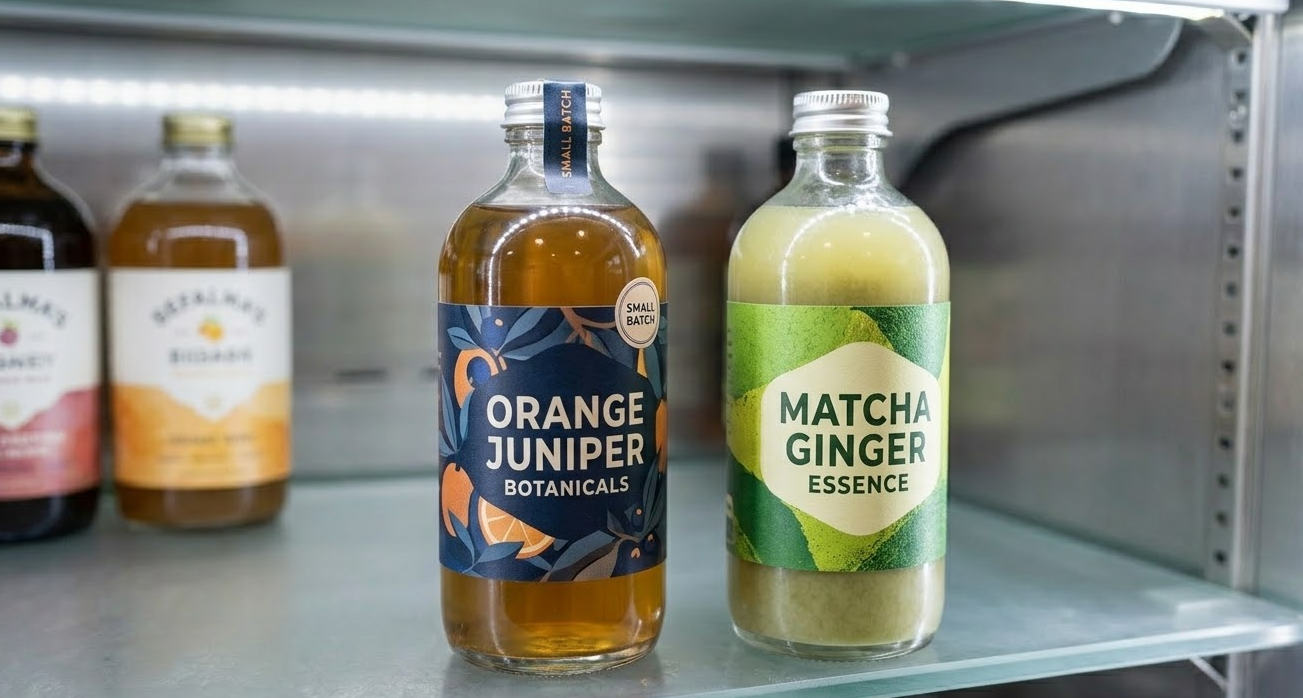
How Small Batch Canning and Bottling Helps Launch New Drinks
The beverage industry is constantly evolving as consumers look for exciting new drinks, healthier ingredients, and unique flavor experiences. For beverage entrepreneurs and brands, bringing a new drink to market requires more than just a good idea. It involves careful development, testing, and refinement before the product is ready for large-scale production. One of the most effective approaches in early beverage production is Small Batch Canning and Bottling.
Small batch production allows beverage creators to experiment with flavors, test ingredients, and refine their formulations in smaller quantities. This method reduces risk and allows brands to improve their products before committing to mass manufacturing. Companies like Gulp Studios specialize in helping brands move from concept to shelf by providing expert support in beverage development, branding, and production. Through structured development processes, new drink ideas can be transformed into high-quality products that are ready for the market.
The Growing Demand for Innovative Beverages
Consumer expectations for beverages have changed significantly in recent years. People are increasingly interested in drinks that offer functional benefits, natural ingredients, and distinctive flavor profiles. This shift has encouraged beverage companies to explore new development strategies that support innovation.
Many successful beverages today are created through careful research and product testing. Brands study consumer trends, experiment with ingredient combinations, and analyze feedback to develop drinks that match current preferences. By focusing on innovation and market insight, beverage companies can create products that attract attention and build long-term customer loyalty.
Why Small Batch Production Is Important
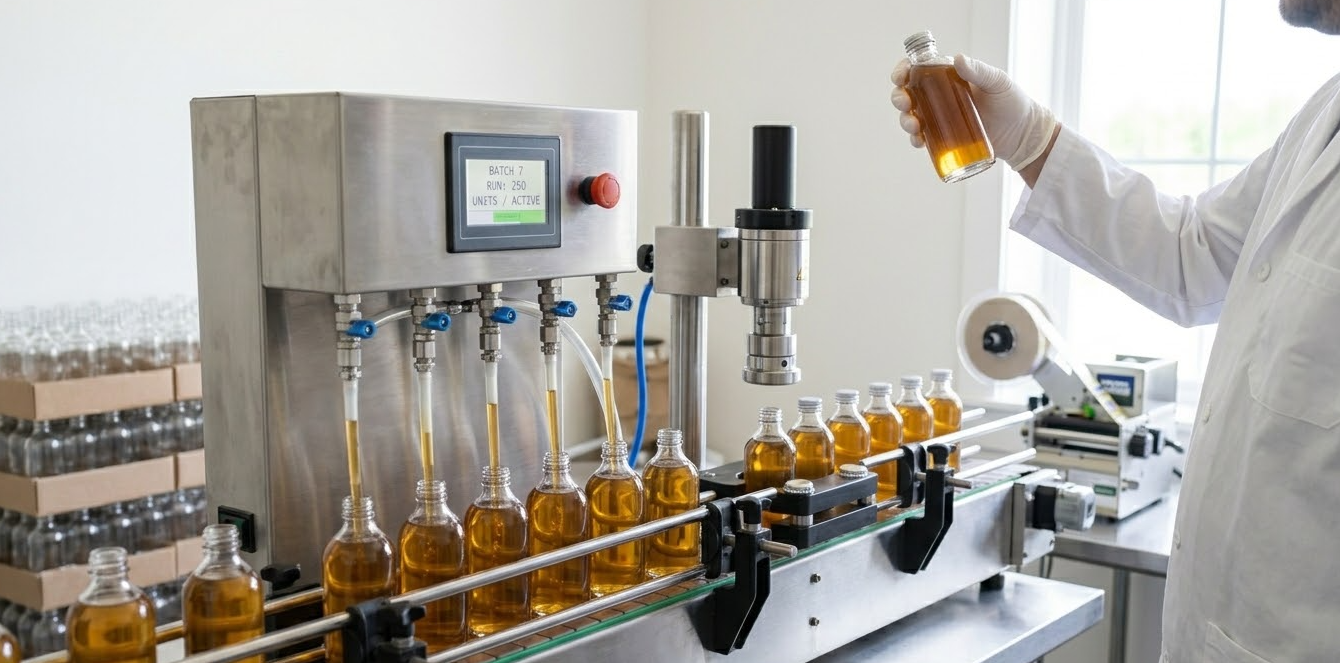
Small batch beverage production plays a critical role during the early stages of drink development. Instead of producing thousands of units immediately, developers can create smaller batches that allow for testing and refinement. This approach helps brands evaluate the beverage’s taste, stability, and overall performance before expanding production.
Another benefit of small batch production is flexibility. Beverage creators can quickly adjust ingredients, improve flavor balance, or test new packaging ideas without making large financial investments. This flexibility allows brands to refine their products efficiently and confidently.
Small batch production also helps maintain high levels of quality control. Because the production volume is smaller, developers can closely monitor every stage of the process and ensure the beverage meets desired standards.
The Beverage Development Process
Creating a successful beverage product requires a structured development process that combines creativity and technical expertise. The journey begins with concept development, where the purpose of the drink and the target audience are defined. This stage helps determine the flavor profile, ingredients, and overall brand direction.
Once the concept is established, beverage experts begin working on formulation. During this phase, different ingredient combinations are tested to achieve the ideal taste and texture. Product stability and shelf life are also evaluated to ensure the beverage maintains its quality over time.
Packaging and branding are also important aspects of beverage development. Attractive packaging helps capture consumer attention and communicate the product’s identity clearly. A strong brand message can significantly influence purchasing decisions and help a product stand out in competitive markets.
Turning Beverage Ideas into Prototypes
Before a beverage reaches full production, it often goes through several stages of testing and refinement. At this stage, developers focus on Drink prototype development to evaluate different variations of the product.
Prototypes allow beverage creators to experiment with flavor adjustments, ingredient ratios, and packaging options. Testing these variations helps identify which version of the drink delivers the best taste, quality, and consumer appeal. Prototype development also provides an opportunity to gather feedback from focus groups or early customers.
This step is essential because it ensures that the final beverage meets both technical standards and market expectations before large-scale manufacturing begins.
Preparing for Production and Market Launch
After the beverage formula and branding are finalized, the next stage involves preparing for production. Manufacturers must ensure that ingredients are available, packaging materials are compatible with the product, and production methods maintain consistent quality.
Small batch testing often continues during this stage to confirm that the beverage performs well under production conditions. Once the product meets all quality and stability requirements, companies can confidently move toward larger manufacturing runs.
A successful market launch also requires a clear marketing strategy. Brands must communicate the beverage’s benefits, highlight its unique features, and connect with their target audience through effective messaging and promotion.
Building Strong Beverage Brands
In today’s competitive beverage market, branding plays a major role in product success. Consumers often choose beverages based on packaging design, brand story, and perceived value. A strong brand identity helps communicate the product’s purpose and build trust with customers.
Effective beverage branding includes consistent messaging, visually appealing packaging, and a clear brand personality. When these elements work together, they create a memorable product experience that encourages repeat purchases.
Brands that combine innovative beverage development with compelling storytelling are more likely to stand out and succeed in the marketplace.
Conclusion
The beverage industry offers exciting opportunities for brands that are willing to innovate and experiment with new ideas. However, bringing a new drink to market requires careful planning, testing, and development. Small batch canning and bottling provides an effective way for beverage creators to refine their products before committing to large-scale production.
By focusing on testing, prototype development, and strong branding, companies can create beverages that meet consumer expectations and perform well in competitive markets. With the support of experienced beverage development partners, brands can transform creative drink ideas into successful products that move smoothly from concept to shelf.
FAQ
What is small batch canning and bottling?
Small batch canning and bottling is a production method that allows beverage developers to produce limited quantities of a drink for testing, refinement, and early market evaluation.
Why is prototype development important in beverage creation?
Prototype development allows beverage brands to test different formulations and packaging options to ensure the final product delivers the best taste, stability, and consumer appeal.
How can beverage development partners help new brands?
Beverage development partners provide expertise in formulation, packaging, branding, and production planning, helping brands turn drink ideas into successful market-ready beverages.