
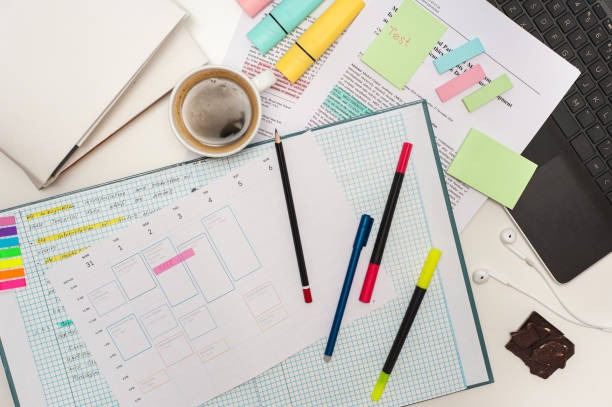
What is the easiest way to track homework and projects?
Most students don’t lose points because they’re bad at the subject. They lose points because they forgot the deadline existed. I’ve watched this happen to sharp, capable students over and over — the work was fine, the timing wasn’t. That’s the actual problem an assignment tracker study planner solves. Not motivation. Not intelligence. Timing.
Sticky notes fall off. Memory apps get abandoned by week two. A proper assignment tracker study planner doesn’t ask you to be more disciplined — it just puts every due date in front of your face until it’s done.
Why sticky notes and memory stop working
Here’s the thing nobody tells you in freshman year: your brain is a terrible filing cabinet. It’s great at ideas. It’s awful at remembering that the chemistry lab report is due Thursday at 11:59 PM, not Friday.
Three assignments. Two projects. One exam you forgot existed until someone mentioned it in the hallway. Sound familiar? This is exactly why a dedicated assignment tracker study planner beats a notebook or your phone’s default calendar. A calendar tells you a date exists. A real planner tells you what’s due, what stage it’s at, and how much time you’ve got left before it’s a problem.
What a good assignment tracker study planner actually does
A tool built for this job — not repurposed from something else — handles four things well:
- Centralizes every deadline in one view. No more checking five different class portals and a group chat to figure out what’s due this week.
- Breaks big projects into smaller checkpoints. A 15-page paper isn’t one task. It’s research, outline, draft, and edit — and a planner that only tracks the final due date sets you up to fail the earlier steps.
- Sends reminders before the panic starts. Not the night before. Days before, when you can still do something about it.
- Shows priority at a glance. Color coding, sorting by urgency, whatever the format — you should know in five seconds what needs attention first.
I’ll be honest — most students try building this in a plain notebook first. It works for about two weeks. Then a heavy week hits, three things pile up at once, and the whole system falls apart because paper doesn’t remind you of anything on its own.

Picking the right one for you
Not every student needs the same setup. A first-year juggling four intro classes has different needs than a senior managing a thesis, two seminars, and a part-time job. Some people want a physical planner they can write in by hand — there’s real value in that, actually, since handwriting tends to stick better in memory than typing. Others need something on their phone that pings them, because paper planners get left in backpacks and forgotten.
Whichever format you pick, test it for two weeks before committing. If you’re still opening it daily by day 14, it’s working. If you’ve stopped touching it by day 5, the format’s wrong for you — switch before the semester punishes you for it.
Conclusion
An assignment tracker study planner isn’t a luxury for the overly organized. It’s the difference between a semester where deadlines catch you off guard and one where they don’t. Pick a system — digital or paper, doesn’t matter — that shows you what’s due, breaks big work into steps, and nudges you early. Set it up this week, not after the next missed deadline reminds you why you needed it in the first place.