
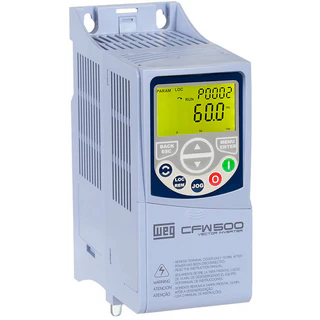
Drives in Industrial Applications: Powering Efficiency and Performance
In modern industrial environments, drives play a critical role in ensuring machines operate with precision, efficiency, and control. From manufacturing plants to processing facilities, drives regulate motor speed, torque, and direction, enabling equipment to perform optimally under varying load conditions. Companies like Denron Industrial have become trusted suppliers of industrial solutions, offering advanced drive systems alongside motors, pumps, and gearboxes to support a wide range of industries. As an authorized dealer of WEG, Denron Industrial provides high-quality, reliable drive technologies that meet global standards and help businesses maintain continuous operations.
Understanding the Role of Drives
Drives, often referred to as variable frequency drives (VFDs) or adjustable speed drives, are devices used to control the speed and torque of electric motors. Instead of running motors at a constant speed, drives allow precise adjustments based on operational requirements. This flexibility not only improves performance but also reduces energy consumption, making them an essential component in energy-efficient industrial systems. In industries where processes demand variable speeds—such as conveyors, compressors, and pumps—drives ensure smooth and controlled operation while minimizing mechanical stress on equipment.
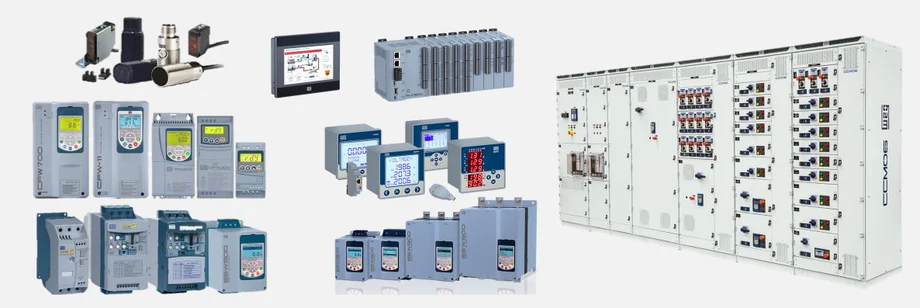
Importance of Drives in Industrial Systems
Drives contribute significantly to operational efficiency and equipment longevity. By controlling motor speed, they reduce unnecessary wear and tear caused by sudden starts and stops. This results in lower maintenance costs and extended equipment life. Additionally, drives help optimize energy usage by ensuring motors consume only the power required for a specific task. In large-scale operations, even small improvements in energy efficiency can lead to substantial cost savings over time. Businesses that integrate advanced drive systems into their infrastructure benefit from improved productivity, reduced downtime, and enhanced process control.
Applications of Drives Across Industries
Drives are widely used across various industries due to their versatility and adaptability. In manufacturing, they are used to control conveyor belts, robotic systems, and assembly lines, ensuring synchronized operations. In the water and wastewater sector, drives regulate pumps to maintain consistent flow and pressure. In HVAC systems, they help manage fans and compressors to maintain optimal temperature and air quality while conserving energy. Additionally, in mining, oil and gas, and food processing industries, drives enable precise control of heavy machinery, improving both safety and efficiency in demanding environments.
Integration with Motors and Control Systems
Drives work in close coordination with electric motors and control systems to deliver seamless performance. When integrated properly, they allow operators to monitor and adjust system parameters such as speed, torque, and load conditions in real time. Modern drive systems are often equipped with digital interfaces and communication protocols that enable integration with programmable logic controllers (PLCs) and industrial automation systems. This level of integration supports smart manufacturing practices, where data-driven decisions enhance operational efficiency and predictive maintenance strategies.
Advantages of High-Quality Drives
Investing in high-quality drives offers several advantages for industrial operations. Reliable drives provide consistent performance even under fluctuating load conditions, ensuring stability in critical processes. They also include built-in protection features such as overload protection, short circuit prevention, and thermal management, which safeguard both the motor and the connected equipment. Furthermore, advanced drives contribute to reduced harmonic distortion and improved power quality, which are essential for maintaining the integrity of electrical systems. Suppliers like Denron Industrial ensure that businesses have access to durable and technologically advanced drive solutions backed by expert technical support.
Role of Authorized Dealers in Drive Solutions
Working with authorized dealers is essential when sourcing industrial drives. Authorized partners, such as Denron Industrial, provide genuine products from reputable manufacturers like WEG, ensuring authenticity and compliance with international standards. They also offer technical expertise, installation guidance, and after-sales support, which are crucial for proper system implementation. This level of service helps businesses avoid compatibility issues, reduce installation errors, and maintain optimal system performance. Additionally, authorized dealers often provide fast delivery and 24/7 service, ensuring minimal disruption to operations.
Technological Advancements in Drives
Modern drive technology has evolved significantly, incorporating features such as energy monitoring, remote diagnostics, and IoT connectivity. These advancements allow operators to track performance metrics, detect faults early, and optimize system performance remotely. Smart drives can communicate with centralized control systems, enabling predictive maintenance and reducing unexpected downtime. As industries continue to adopt automation and digital transformation, drives are becoming increasingly intelligent, contributing to more efficient and sustainable industrial operations.
Conclusion
Drives are an indispensable component of modern industrial systems, providing precise control, energy efficiency, and enhanced operational reliability. Their ability to regulate motor performance makes them essential for a wide range of applications across industries. With trusted suppliers like Denron Industrial offering high-quality drive solutions from leading manufacturers such as WEG, businesses can ensure they are equipped with reliable and efficient technology. By investing in advanced drive systems and working with knowledgeable partners, industries can improve productivity, reduce operational costs, and maintain smooth, uninterrupted performance in an increasingly competitive environment.